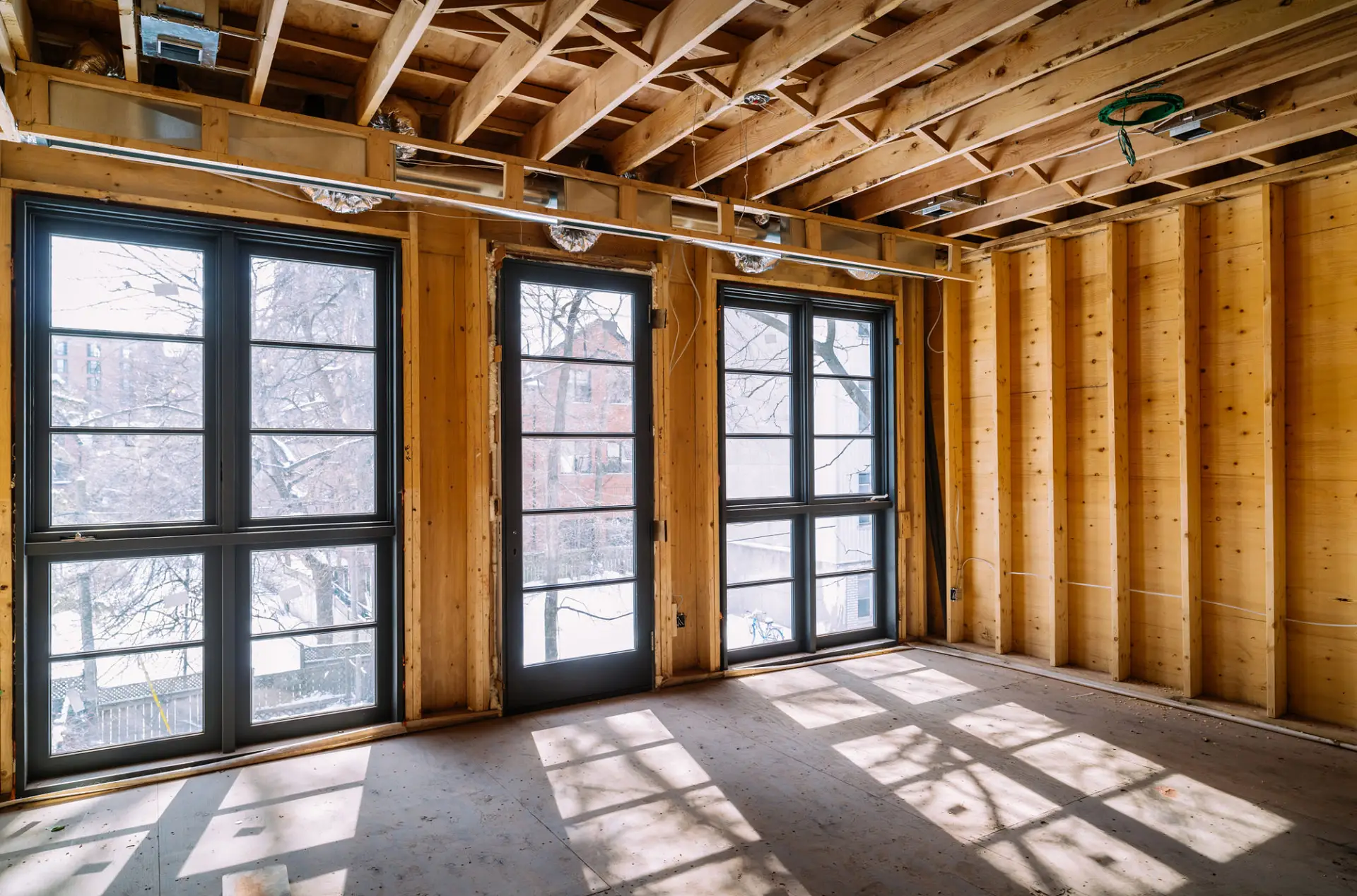
Found a Temecula Valley home with great bones that needs work — or want to build in the improvements from day one? A renovation or construction loan wraps the purchase and the project into a single loan. I’ll help you plan it so the work stays on track.
These loans finance the purchase or refinance of a home plus the cost of improvements in one loan — think FHA 203(k) or conventional renovation programs. Instead of paying for a remodel out of pocket, you roll it into your mortgage, which is ideal for fixers and value-add projects.
This is perfect for buyers eyeing a home that needs updating, homeowners planning a major remodel, or investors adding value to a property. Across the Temecula Valley I see great deals on homes that just need vision and the right financing to reach their potential.
We base the loan on the home’s value after the improvements are complete, then funds are released in stages (draws) as the work is done. I coordinate the budget, contractor documentation, and timeline with you so the project runs smoothly from approval to the final walkthrough.
One loan, one closing, one payment — covering both the property and the renovation. Whether it’s a kitchen remodel, a room addition, or a full refresh, financing the work this way is usually far cheaper than credit cards or a separate construction loan, and it lets you buy homes others overlook.
Renovation and construction loans have more moving parts than a standard purchase — contractor approvals, draw schedules, and inspections — so they take coordination. That’s exactly where my experience helps: I keep the budget, draws, and timeline organized so the work stays on track and on budget.
If the right home needs some work, don’t walk away — let’s finance the vision. Call me at (951) 312-6234 and we’ll map out the budget and the loan together. All loans subject to credit approval; terms subject to change.
These loans may let you create the right home without paying all renovation costs upfront. They can combine purchase and improvements into one plan, potentially add long term value, and keep more cash available, as long as the project and timeline are planned carefully.
Renovation and construction loans let you buy a home and fix it up, or build from the ground up, using financing that accounts for the future value of the property. These loans are powerful, but they have more moving parts, contractor bids, draw schedules, appraisals, and tighter timelines. This page explains how the most common renovation and construction programs work, what you will need, and how to avoid the delays that catch most borrowers off guard.
A renovation loan finances the home and the improvements in one mortgage — purchase or refinance plus the remodel budget, based on the after-improved value. It’s how Temecula Valley buyers turn dated properties into their dream homes without draining savings, and how owners fund major upgrades in place. Subject to program guidelines and credit approval.
Construction financing funds ground-up builds — land, materials, and labor — released in stages as work completes. Around here that’s often custom homes in De Luz, La Cresta, and the wine country parcels. Most of what I structure is construction-to-permanent: one closing that converts to your long-term mortgage when the build finishes.
Renovation loans improve an existing home; construction-to-perm builds new from dirt. Renovation programs (like FHA 203(k) or conventional renovation) lean on after-improved value of a standing structure, while construction-to-perm underwrites plans, builder, and budget from scratch. Tell me your project and I’ll route you to the right one.
The main menu: FHA 203(k) — limited for cosmetic work up to program caps, standard for structural; conventional renovation programs like Fannie Mae HomeStyle for bigger budgets and even luxury items; and VA renovation options for eligible Veterans. Each has its own rules on scope and contractors — I’ll match the program to your project, not the reverse.
Through a managed draw process: renovation funds sit in escrow after closing and release in stages as work is completed and inspected — the contractor bills, an inspector verifies, funds release. It protects you from paying for work that never happens. I’ll walk you and your contractor through the draw schedule before closing so cash flow expectations are clear.
A licensed, insured general contractor with a detailed written bid — scope, materials, timeline — plus a contractor profile: license verification, insurance certificates, and references. Some programs vet the contractor formally. Get me the bid early; contractor paperwork is the most common thing that slows these closings down.
Mostly no — standard renovation programs require licensed contractors, and self-help work is generally limited to narrow exceptions where a program allows it (and even then, you typically can’t pay yourself for labor). If you’re a licensed contractor yourself, there are occasional carve-outs; let’s discuss your specific plan honestly before you count on DIY.
Longer than a standard purchase — realistically 35–45 days for renovation loans, driven by the contractor bid, the after-improved appraisal, and program review; construction-to-perm varies with plan approval. Starting the contractor paperwork the day you’re in contract is the single best way to keep the timeline tight. My team manages every moving piece.
The appraiser values the home as if the work is already done — the ‘subject-to-completion’ or after-improved value — based on your plans and the contractor’s bid, and the loan is built on that number. On completion, a final inspection (1004D) certifies the work matches the plans. It’s how the math supports borrowing more than today’s condition would allow.